
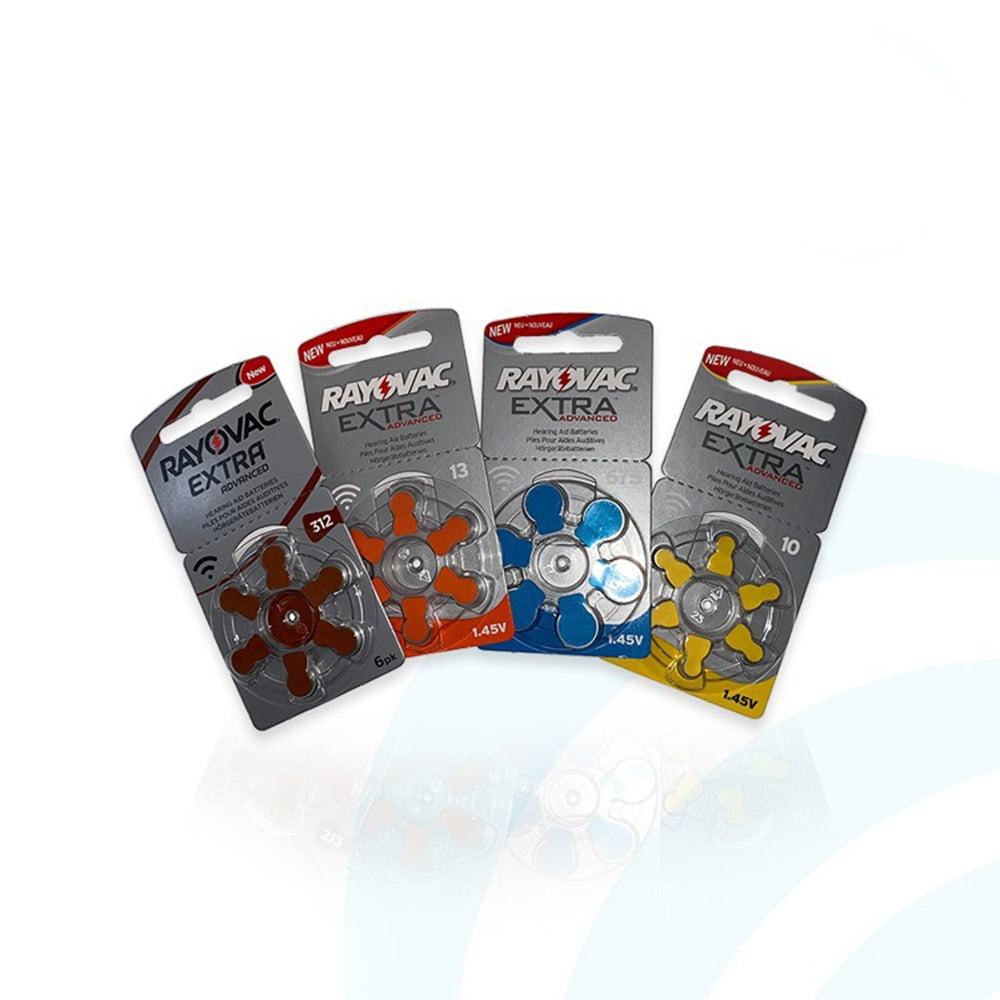
Do you use hearing aids powered with disposable batteries? Then you might wonder whether another battery size or brand would give you more days of use. Well, among the four standard disposable hearing aid battery sizes, size 675 usually lasts the longest. Yes, its larger casing holds more active material than size 10, 312 and 13. However, battery size is not a personal choice; your hearing aid is designed to accept a specific size, so a size 675 battery will not fit in a device designed for size 312 batteries.
The battery life also depends on your hearing aid, your listening needs, daily wear time and use of features such as Bluetooth streaming. In this blog, you will learn what to expect when shopping for hearing aid batteries in the UK and how to get reliable use from each battery.
Key takeaways:
- Which hearing aid battery size lasts the longest?
- How long do hearing aid batteries usually last?
- What do hearing aid battery colours mean?
- Why does hearing aid battery life vary?
- Does the hearing aid battery brand affect how long it lasts?
- How do zinc-air hearing aid batteries work?
- How to help hearing aid batteries last longer?
- Are rechargeable hearing aids longer-lasting?
- How do you know when a hearing aid battery needs replacing?
- How should hearing aid batteries be stored?
- Where should hearing aid batteries be recycled in the UK?
- Find the right hearing aid batteries in the UK
- FAQs
Which hearing aid battery size lasts the longest?
The four standard zinc-air hearing aid battery sizes are as follows: 10, 312, 13, and 675. In general, the expected order from shortest to longest battery life is:
- Size 10 – yellow
- Size 312 – brown
- Size 13 – orange
- Size 675 – blue
Larger batteries usually have more energy, and therefore they tend to last longer. Rayovac also states that battery size affects how much energy each cell holds, with larger hearing aid batteries typically providing a longer life. However, the hearing aid determines which size you need. Size 675 batteries are commonly used in high-powered hearing devices and some cochlear implant sound processors. Their longer life does not make them a suitable replacement for smaller batteries. Always cross-check with your existing battery pack, hearing aid instructions or battery compartment before you place your order.
How long do hearing aid batteries usually last?
If you have a disposable hearing aid battery, then it might last a few days to several weeks; there is no same lifespan that applies to every hearing aid wearer. The NHS hearing aid guidance explains that battery life depends on the type and power of your hearing aids, along with how often you use your hearing aids. There are batteries which last only a few days, while there are others that continue for several weeks. Let’s do a broad comparison:
- Size 10 batteries generally have the shortest battery life because they are the smallest.
- Size 312 batteries offer longer use than size 10 batteries under similar conditions.
- Size 13 batteries hold more energy and are often used in larger behind-the-ear hearing aids.
- Size 675 batteries usually provide the longest service life among the four standard sizes.
There is no set day count for any battery; treat these as relative comparisons because two people using the same battery size might get different results due to their hearing aid settings and daily routines.
What do hearing aid battery colours mean?
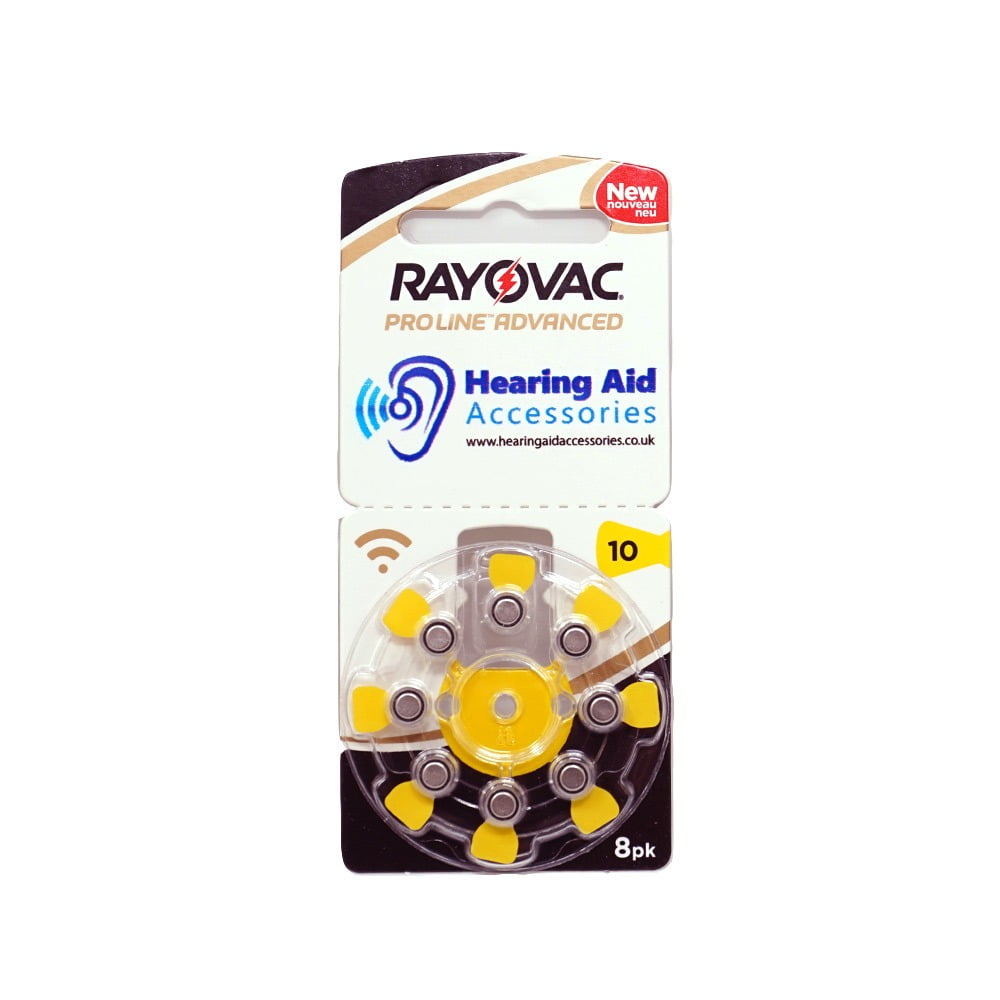
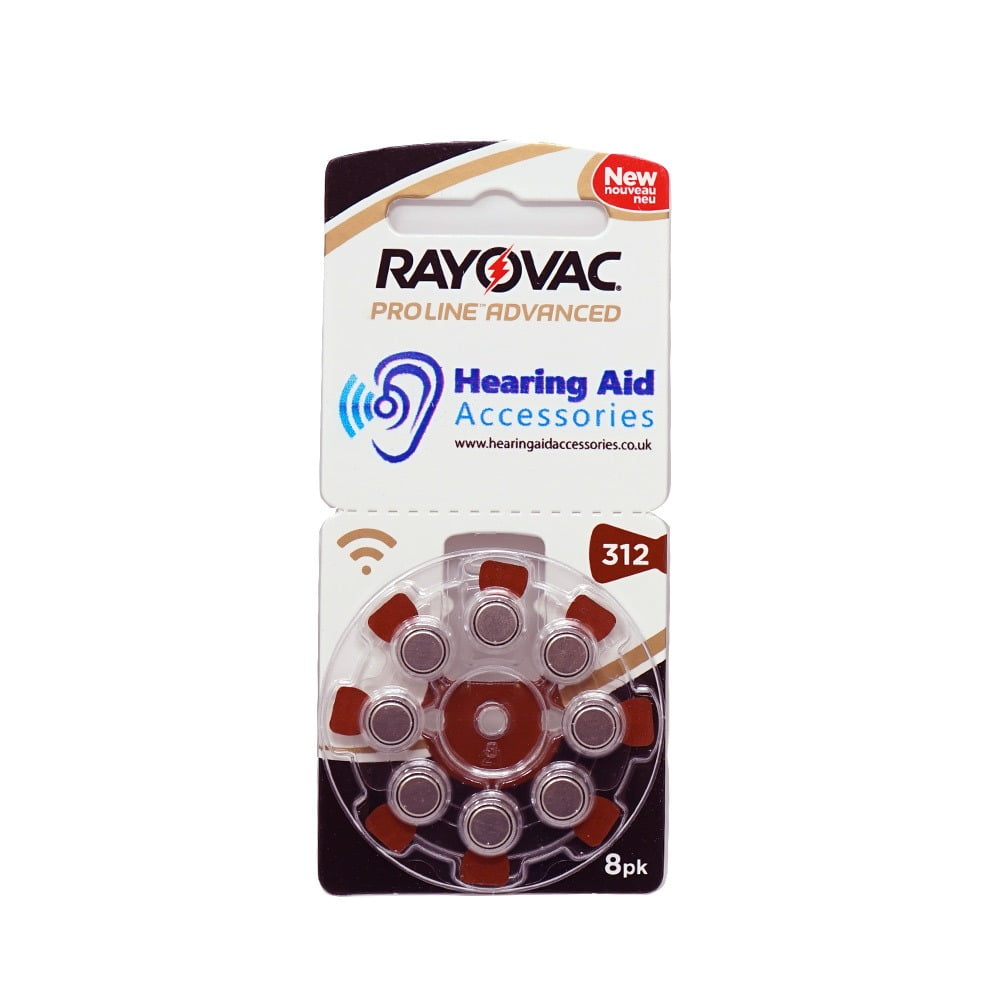
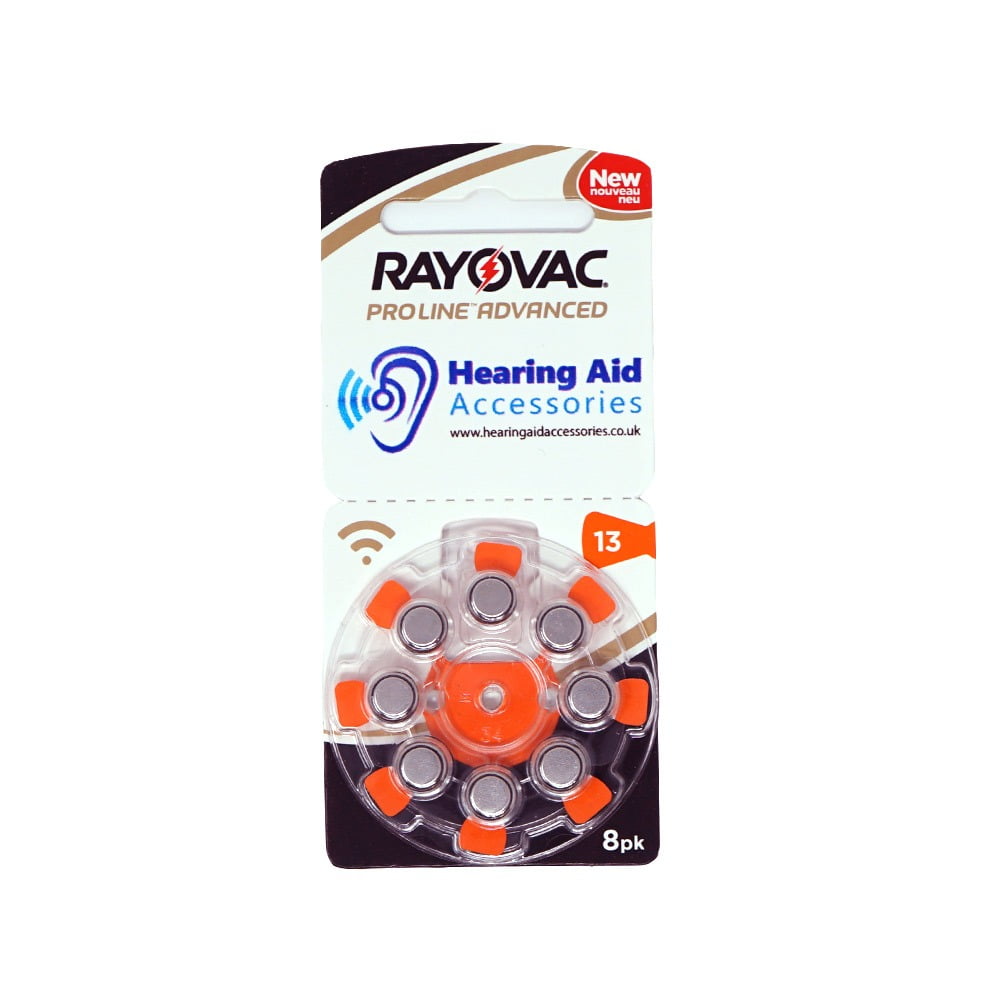
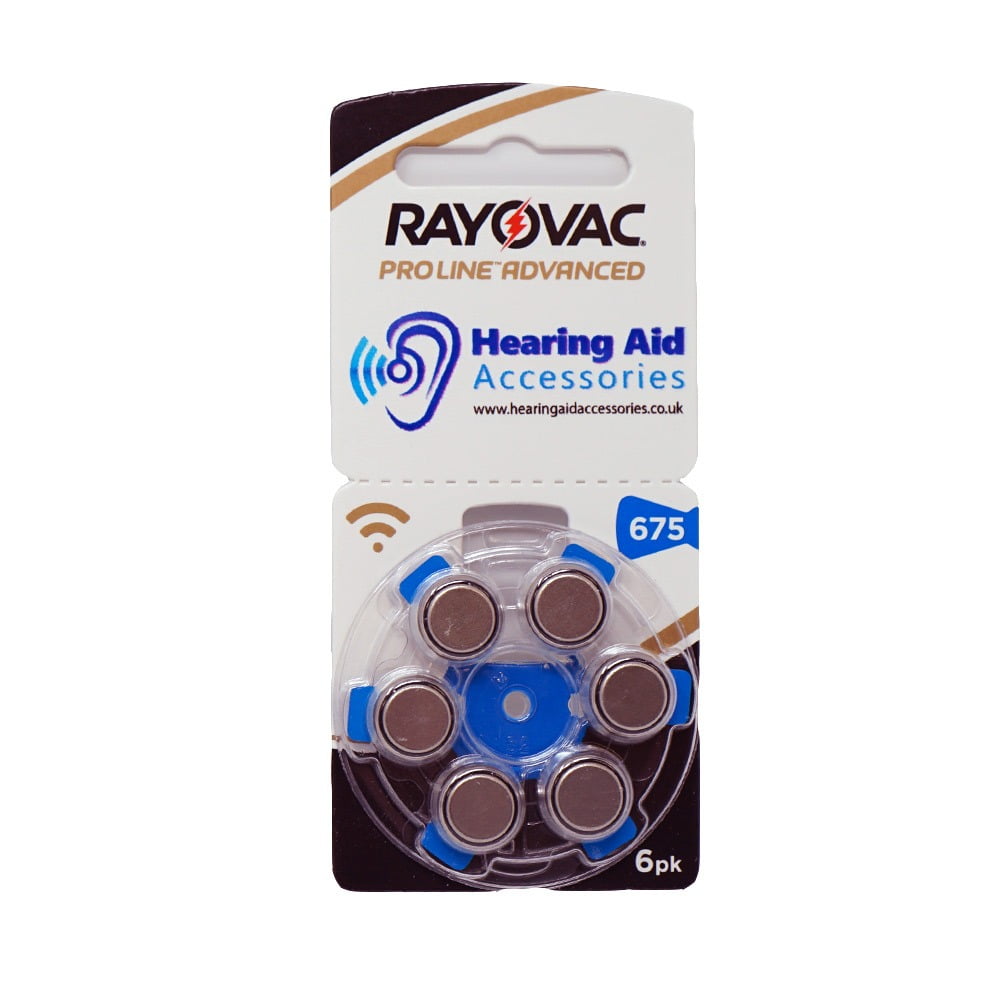
Hearing aid battery packaging follows a standard colour system, and these colours help users to identify the right size across different brands.
Size 10 – yellow
Size 312 – brown
Size 13 – orange
Size 675 – blue
For instance, if your current hearing aid battery has a brown tab, you need size 312 batteries; changing to another recognised brand does not change the required battery colour or size. Power One talks about the four standard sizes and colour combinations in their battery guidance. Make sure you check both the number and colour before ordering; this reduces the risk of selecting a battery which does not fit your hearing aid.
Why does hearing aid battery life vary?
The battery size is only part of the answer to this question. There are several everyday factors that affect how quickly a hearing aid uses power. They are as follows:
- Daily wear time – A hearing aid worn from morning until bedtime uses more power than one worn for only part of the day.
- Hearing aid settings – Higher amplification levels place a greater demand on the battery. If you or someone you know has severe hearing loss, they often need more output from their hearing aids.
- Bluetooth streaming – Streaming phone calls, music, television audio, or podcasts increases power use. The recent NHS guidance for behind-the-ear hearing aids notes Bluetooth streaming causes batteries to run out more quickly.
- Wireless connection between two hearing aids – Many modern hearing aids exchange information throughout the day; this supports features such as synchronised volume adjustments, but the communication also uses energy.
- Temperature and environment – Extreme heat, cold, or humidity might affect battery performance. Zinc-air batteries rely on oxygen, so environmental conditions also influence how well they operate.
- Battery age – Unused zinc-air batteries gradually lose energy during storage. Check the best-before date and use older packs before newer ones.
- Leaving the hearing aid switched on – Your hearing aid continues to draw power when left switched on overnight; opening the battery door usually switches off a disposable-battery hearing aid, although you should follow the instructions supplied with your model.
Does the hearing aid battery brand affect how long it lasts?
The brand, manufacturing quality, freshness and storage all influence performance; even so, there is not a single brand which lasts longer in every hearing aid. This could be because one brand might perform well in small-in-the-ear hearing aids, while other hearing aid wearers get better results from a different battery in a high-powered behind-the-ear device. Your hearing aid settings, streaming habits, and daily wear time often have a greater effect than the name printed on the pack. When you compare hearing aid batteries in the UK, always look for:
- The correct size and colour
- A suitable best-before date
- Secure, undamaged packaging
- Clear manufacturer information
- A recognised hearing aid battery brand
It might appear economically smart to buy large quantities, but only if you expect to use every pack within its stated shelf life.
How do zinc-air hearing aid batteries work?
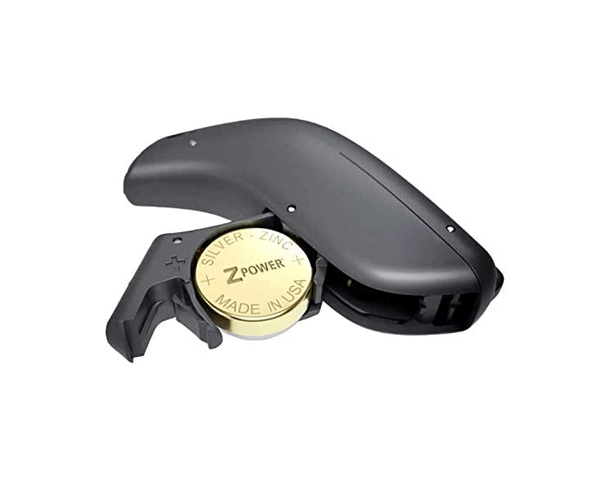
The most disposable hearing aid batteries use zinc-air technology; each new battery has a coloured tab covering small air holes. When you remove these tabs, oxygen enters through these gaps and starts the chemical reaction which produces power and removing the tab too early starts this process before the battery enters your hearing aid.
Rayovac advises leaving the tab in place until you need the battery and allowing at least one minute for air activation before starting the hearing aid. Instructions differ between manufacturers and hearing aid models, so check the guidance supplied with your batteries and hearing aid devices. Once you have removed and replaced the tab, the activation process has already started.
How to help hearing aid batteries last longer?
When you make small changes to your routine, it helps to reduce wasted battery power. This includes keeping the tab attached until you are ready to use the battery. After removing the tab, allow the recommended activation time before inserting the battery. Switch off your hearing aid whenever you are not wearing it and open the battery compartment overnight if your hearing aid instructions recommend doing so. If there are any unopened batteries in their original packaging, then store them properly; keep them at normal room temperature in a dry place. Do not store batteries in the fridge. Make sure you keep the loose batteries away from coins, keys and other metal items. Check the best-before date before using. If you have any batteries expiring soon, use the older packs first. Remove a depleted battery promptly and do not press, bend or damage the battery casing.
Make sure you keep a simple record of each battery change; it also helps that after several replacements; you will have a more realistic picture of battery life for your own hearing aid.
Are rechargeable hearing aids longer lasting?
If you are comparing rechargeable hearing aids and disposable batteries, then they need different comparisons. A rechargeable hearing aid is normally charged each night and used during the following day; its runtime depends on the hearing aid model, battery age, listening environment and amount of streaming. The rechargeable models remove the need to handle and replace small zinc-air batteries. This often helps people with reduced hand control or eyesight.
As for disposable-battery hearing aids, they still suit users who prefer replacing a battery without waiting for a charging cycle or who spend time away from a charging point. If you already own a disposable battery hearing aid, you generally cannot convert it by placing a rechargeable battery in the compartment. Only use the battery type specified by the hearing aid manufacturer.
How do you know when a hearing aid battery needs replacing?
Many hearing aids play a warning tone or spoken alert when the battery is running low. Other signs include:
- Sounds cutting in and out.
- The hearing aid switching off unexpectedly.
- Reduced wireless or streaming performance.
- Failure to start after the battery compartment closes.
- No sound from the hearing aid.
These symptoms do not always mean the battery is empty; earwax in the wax guard, moisture, a blocked tube, or an incorrectly inserted battery might produce similar problems. Try a fresh battery first; check that the positive side faces the correct direction and make sure the battery compartment closes without force. If the hearing aid still fails, then inspect the wax filter or speak with your hearing care provider.
How should hearing aid batteries be stored?
Keep your hearing aid batteries in their original packaging at normal room temperature; choose a dry drawer or cupboard away from direct sunlight, heaters and moisture. You must avoid carrying loose batteries in your pocket, purse or bag beside coins and keys; any contact with metal might cause a short circuit.
You must store new and unused batteries away from children and pets. Hearing aid batteries are small enough to swallow and might cause serious internal injury. If someone swallows a hearing aid battery, seek immediate emergency medical help straight away. Alder Hey Children’s NHS Foundation Trust recommends taking a child directly to an emergency department following suspected button-battery ingestion.
Where should hearing aid batteries be recycled in the UK?
Do not place used hearing aid batteries in general household waste; take them to a designated battery collection point instead. Many supermarkets, electrical retailers and household recycling centres provide battery bins. In the UK, regulations require the collection and recycling of waste batteries, while larger battery retailers have taken-back responsibilities. Keep your used batteries in a secure container away from children and pets until you reach a recycling point.
Find the right hearing aid batteries in the UK?
The longest-lasting battery is the correct battery used and stored properly. Size 675 lasts longest among standard disposable hearing aid batteries, but your hearing aid might require size 10,312 or 13. Always match the size number and tab colour shown on your current batteries.
At Hearing Aid Accessories, we stock a great selection of hearing aid batteries from recognised manufacturers, helping you find the right size for your device.
FAQs
Q. Why does one hearing aid battery run out before the other?
This could sometimes happen when one hearing aid performs more work than the other; differences in hearing loss, receiver power, wireless routing and streaming might place a higher load on one side. Swap in two fresh batteries from the same pack and note the replacement dates. If one side is repeatedly draining faster, then ask your hearing carer to inspect that hearing aid.
Q. If I open the battery door overnight, will it waste battery?
No, opening the door normally switches off the disposable battery hearing aid, which helps preserve power. An open compartment also allows moisture to escape. You should follow your hearing aid instructions because battery door designs differ.
Q. Why did my new battery die after only one day?
Possible causes include an old battery, damaged packaging, early tab removal, insufficient activation time, heavy streaming or a hearing aid fault. Try another battery from a different section of the pack. If the problem repeats, test a fresh pack before arranging a hearing aid check.
Q. Should I remove the tabs from all batteries before travelling?
No! Leave every tab attached until you need the battery, because if you remove the tabs in advance, it activates the batteries, even if you later press the tabs back into place. Carry the batteries in their original packet and use it as and when needed.
Q. Do hearing aid batteries drain faster on aeroplanes?
Zinc-air batteries rely on oxygen, so cabin conditions might influence performance. Rayovac notes a long-haul flight might slightly affect a battery already inside a device, with the difference more noticeable in some high-demand devices and size 10 hearing aids. You must keep a spare pack in your hand luggage for easy access.
Q. Is a battery tester worth buying?
A tester helps distinguish an empty battery from another hearing aid problem. It is especially useful if you store several open packs or struggle to remember which batteries are new. A tester does not measure how many full days remain with complete accuracy, but it provides a useful power check.
Q. Is it safe to keep spare hearing aid batteries in a pill organiser?
The original packaging is safer, a pill organiser might let batteries touch one another or create confusion with medication. It also lacks the secure tab protection and battery information shown on the original pack.
Q. Do hearing aid batteries expire if the tab stays attached?
Yes, the tab only slows activation, but unopened zinc-air batteries still lose some stored energy over time. Check the best-before date and rotate your stock so the oldest suitable packs are used first.
Q. Should I replace both hearing aid batteries together?
Not always, if both hearing aids usually drain at a similar rate, replacing both together makes the routine easier. If one hearing aid consistently lasts longer, replacing only the depleted battery avoids wasting usable power, you must keep a note of each change to identify your normal pattern.