
If you have recently started wearing hearing aids, you may have been surprised by the number of accessory options available. A quick search for hearing aid accessories brings up everything from wax guards and domes to chargers, drying systems, and TV streamers. For many, it is overwhelming; it feels like you have already invested in your hearing aids, so do you really need more?
Well, the honest answer is, yes! But not every hearing aid accessory you see. The right hearing aid accessories protect your device, maintain sound clarity and extend its working life. Without proper care and compatible parts, even premium hearing aids can underperform. In this blog, we will focus on what truly matters for you, with no unnecessary add-ons. Here is our practical advice.
Key Takeaways:
What Are Hearing Aid Accessories?
Let’s start with understanding that hearing aid accessories are the supporting tools, replacement parts and add-on devices that help you maintain and use your hearing aids correctly. Your hearing aid is the primary device which is programmed to your needs and lifestyle, and the additional accessories support it. They help you to keep your device clean, protect internal components, ensure consistent sound clarity, maintain comfort and provide reliable power. Without the right accessories, sound quality often declines gradually. Many issues people assume are “fault” are simply blocked filters or worn domes. Common categories of hearing aid accessories UK users purchase include:
- Cleaning kits
- Wax guards and filters
- Replacement domes and eartips
- Batteries and chargers
- Drying and dehumidifying systems
- Connectivity accessories such as TV streamers
While some of these are essential for every user, others depend on your lifestyle, needs and day-to-day activity.
The Essential Hearing Aid Accessories
As you must have understood, not every accessory is optional; some hearing aid accessories are part of basic essentials for your hearing aid. They protect your hearing aid device, maintain sound quality, and prevent avoidable repairs. So, if you focus on these essentials first, you cover the fundamentals of performance and longevity.
Daily cleaning is not optional. Because hearing aids sit in or behind your ear for long hours, they collect earwax, skin oils, dust, and moisture. Even minor debris can block microphones or receivers. A standard hearing aid cleaning kit usually includes:
- A soft brush
- A wax removal loop
- A vent cleaner
- A soft cloth
Using these tools takes only a few minutes each evening, and regular cleaning reduces service visits and prevents unnecessary repairs. For you, especially during colder months when condensation can occur after moving between warm indoor heating and cold outdoor air, regular cleaning becomes even more important.
Wax guards are small but critical components. They sit between your ear canal and the receiver, preventing wax from entering the device. When clogged, you may notice lower volume, muffled sound, and an imbalance between ears. Many users assume their hearing aid has failed when, in fact, the filter simply needs to be replaced. Most people prefer to replace wax guards every few weeks, depending on wax production and keep spare packs at home to avoid interruptions.
Domes affect both comfort and sound delivery. Over time, they tend to harden, discolour, lose flexibility, and become loose. If you wear worn domes, it can cause feedback, whistling or discomfort. In the UK, where NHS and private users often wear hearing aids daily for extended periods, replacing domes every one to three months is typical and fresh domes improve hygiene and maintain proper acoustic direction.
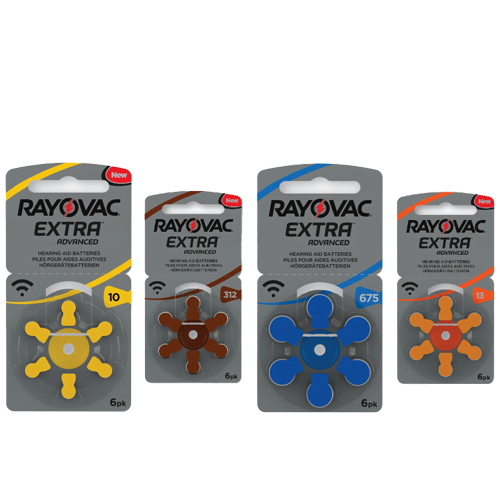
Power reliability is essential. Yes, if your hearing aids use disposable batteries, ensure you always have the correct size. Most devices use size 10, 312, 13 or 675. Battery life usually ranges between three and ten days, depending on streaming usage, device power level, and daily wear time. If your hearing aids are rechargeable, your charger is fundamental. A faulty charger means no hearing support the next day. When you travel, especially on holiday or frequent rail journeys, a portable charging solutions are pratical option.
Moisture is one of the leading causes of hearing aid failure. In the UK, damp weather, rainfall, and changes in central heating create fluctuations in moisture throughout the year. Moisture exposure can lead to corrosion, reduced battery performance, intermittent sound and shortened device lifespan. The drying systems remove trapped moisture overnight and even basic drying pots provide protection. If you are living in coastal or high-humidity areas then you can benefit particularly from consistent moisture management.
How to Choose the Right Hearing Aid Accessories
Accessories are not universal, and before purchasing, you must always confirm the brand name, exact model, battery type, and whether it is a rechargeable or disposable system. Because different manufacturers use different wax guard systems, dome designs and charging formats. Buying incompatible parts risks reduced performance or damage, and lifestyle matters as well:
- If you work long shifts, carry spare batteries or a portable charger.
- If you exercise regularly, moisture protection becomes more important.
- If you watch television frequently, streaming accessories may improve clarity.
You must also consider seasonal changes and moving between cold outdoor air and heated indoor spaces, as it can create condensation inside devices.
How Often Should You Replace Hearing Aid Accessories?
You must have heard consistency prevents performance issues, and with the weather we live in here, the replacement timelines matter.
- For wax guards, it is every 2 to 4 weeks, depending on wax production.
- For domes, it is every 1 to 3 months, sooner if worn or discoloured.
- For disposable batteries, it is every 3 to 10 days.
- For cleaning tools, replace them when the bristles bend or the tools break.
Here are some signs you should not ignore: reduced volume, muffled sound, feedback or whistling, visible cracks in the domes, and corrosion near the battery doors. When you do small accessory replacements from time to time, it prevents large repair bills.
Where to Buy Hearing Aid Accessories
The quality and compatibility matter when you plan to buy hearing aid accessories. Low-cost generic accessories available online may not fit correctly, poorly fitting domes or incorrect wax guards can affect sound delivery and comfort. So, when purchasing hearing aid accessories, you should look for:
- Clear compatibility listings
- Brand-specific information
- Accurate model references
- Trusted UK supplier support
At Hearing Aid Accessories UK, we supply compatible parts for major hearing aid brands, including cleaning kits, wax guards, domes, chargers and power solutions designed for specific models. Clear product guidance reduces guesswork and helps you choose the right accessory the first time. When you buy from us, you choose reliability, compatibility and long-term protection for your hearing aids.
FAQs
Q. What are the most important hearing aid accessories?
The most important hearing aid accessories are those that protect sound quality and extend your device’s lifespan. For most, this includes a cleaning kit for daily maintenance, wax guards to prevent internal blockages, replacement domes for comfort and correct sound delivery, and reliable power solutions such as disposable batteries or a compatible charger. These small components play a direct role in how clearly you hear.
Q. How often should I change wax guards?
Most people replace their wax guards every 2 to 4 weeks, though this depends on individual earwax production and daily wear time. If you notice reduced volume, muffled sound, or an imbalance between the ears, a blocked wax guard is often the cause. Replacing the filter is usually the first and simplest step before assuming there is a fault with the hearing aid itself.
Q. Do all hearing aids use the same accessories?
No, hearing aids do not use universal accessories. Different manufacturers and models require specific wax guard systems, dome types, battery sizes and charging units. Before purchasing any hearing aid accessory, you should always check the exact brand and model number of your hearing aid. Using the compatible part ensures proper fit, protects internal components and maintains consistent sound performance.
Q. Are generic hearing aid accessories safe?
Not all generic accessories are suitable. While some compatible parts are designed correctly for specific models, poorly fitted or low-quality alternatives can affect comfort and sound clarity. Incorrect wax guards may fail to protect the receiver, and unsuitable domes can cause feedback or discomfort. To protect your device and ensure reliability, it is important to confirm compatibility and purchase from a specialist supplier with clear product guidance.
Q. Do I need a drying system?
Many people benefit from some level of moisture protection. The UK climate includes damp weather and frequent temperature changes between cold outdoor air and heated indoor environments, which can create condensation inside hearing aids. Over time, moisture exposure can reduce performance and shorten device lifespan. Even a simple overnight drying solution helps remove trapped moisture and supports long-term reliability.