
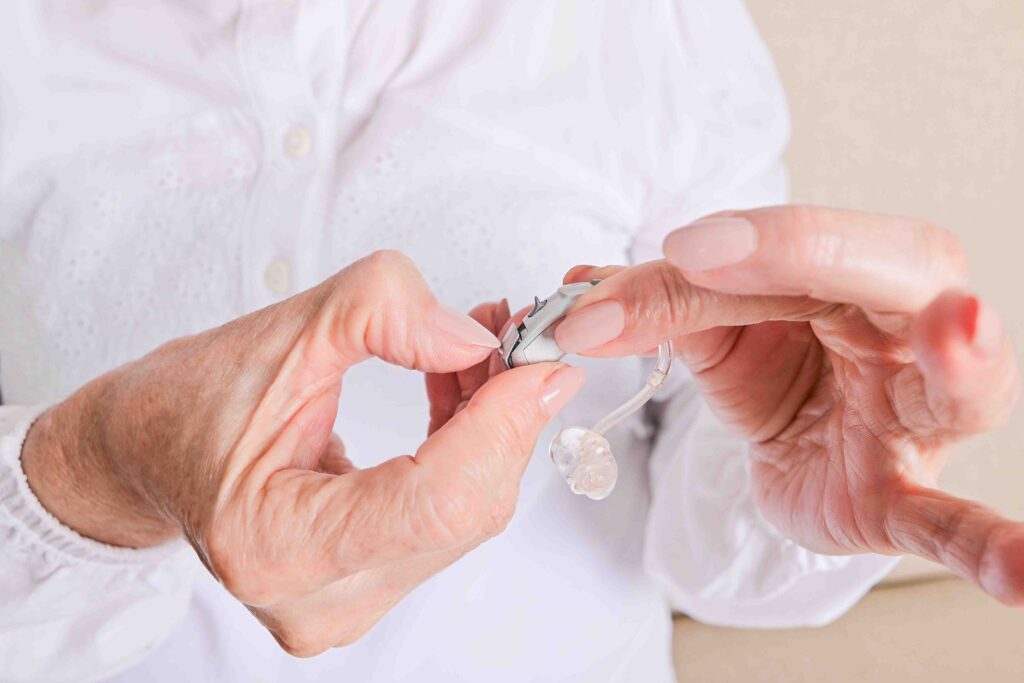
As winter is here, we start thinking about getting cosy with woollen jumpers, warm cups of tea and heated blankets. As the temperature drops, we look forward to staying indoors and preparing for the chill. But have you considered that your hearing aids and hearing aid accessories might also need extra winter care?
Cold weather, sudden temperature changes, or increased humidity can quietly affect your hearing devices and their accessories. Just like you look after your skin and hair with that extra little care during winters, your hearing aids and accessories also deserve the same to keep performing at their best.
We know that hearing aids are sensitive, but their accessories require separate care and attention too, especially when it comes to managing moisture and temperature changes. This blog explains how to protect, maintain, and store your hearing aid accessories during winter to keep them performing well.
Topics Covered:
Why Winter is Tough on Hearing Aid Accessories?
The cold months create a tricky condition for delicate hearing accessories. Here is what happens behind the scenes:
1. Moisture and Condensation
When you move from the cold outdoors into a warm room, the sudden temperature change can cause condensation in hearing aids and their accessories. Moisture can sneak into domes, tubing, battery compartments, and cleaning tools. Over time, this dampness can lead to:
- Corrosion of metallic parts (like battery contacts).
- Build-up of residue in domes and wax guards.
- Damp storage containers that affect accessories.
2. Temperature Fluctuations
Accessories like hearing aid batteries are particularly sensitive to cold weather. Low temperatures can shorten battery life and reduce power output leading to inconsistent performance.
3. Indoor Heating and Dry Air
While the outdoor air can be damp, heating indoors can create dry air, leading to hardened earwax. This extra wax can block domes and tubing more quickly, requiring more frequent cleaning and replacement.
4. Static Electricity
Wool, fleece, and layered winter clothing can generate static, which can affect both hearing aids and accessories. Here, a simple brush of a scarf can cause micro-static shocks that may harm small components if not managed properly.
You might be going through these challenges but understanding them helps you protect your investment in hearing devices and their accessories and enjoy uninterrupted hearing all season long.

Your Winter Hearing Aid Accessories Care Routine
Let’s simplify and find a practical winter care routine. This one keeps your hearing accessories clean, dry, and fully functional even during peak winter weather.
1. Store Accessories in a Dry and Warm Place
We know it sounds basic, but storage is everything. Cold, damp places such as bathroom, kitchen windowsills, or coat pockets can cause condensation to form on metal and silicone accessories.
Best Practice:
- Keep your accessories in a dry protective case or box away from direct sunlight, heaters, or windows.
- Store them in a consistent, room-temperature space.
- Use silica gel packs or drying capsules in your storage box to absorb excess moisture.
This habit helps maintain the condition of your hearing aid cleaning kit, domes, and tubing year-round, especially in winter as you would like.
If there is one accessory every hearing aid user should invest in for winter, it is a dehumidifier box. Cold air outside and warm indoor air mean extra condensation, and accessories often get stored right beside the damp device.
A drying system removes hidden moisture from both the aids and their accessories, ensuring:
- Domes and tubing stay clean and dry.
- Batteries are stored in best conditions.
- Cleaning tools are still sanitised and corrosion-free.
Even drying capsules placed inside your storage case overnight can make a noticeable difference.
Hearing aid batteries lose charge faster in cold weather, much like phone batteries. But temperature is not the only issue, humidity and condensation can corrode the contact points.
To keep them performing:
- Store unused batteries at room temperature (never in the fridge).
- Keep the battery door open overnight when not in use to let air circulate.
- Carry a few spare batteries when you are outdoors for long hours.
Avoid touching batteries with damp fingers, even slight moisture can affect their lifespan. If your batteries are zinc-air, give them a few seconds after removing the tab before placing them in your device. This activates the airflow that powers them efficiently.
4. Clean Domes and Tubes More Frequently
Hearing aid domes and tubes are often exposed to condensation when you step indoors after being outside. Changes in temperature can cause fogging and moisture buildup.
To maintain hygiene and performance:
- Wipe your domes with a soft, dry cloth or hearing aid cleaning wipe each night.
- Avoid using alcohol-based cleaners, they can dry out or damage the silicone.
- Replace domes every 2–4 weeks or sooner if you notice discolouration, cracking, or looseness.
Detach the tube (if your device allows) and use an air blower or thread cleaner to remove any moisture droplets. This not only keeps the sound quality crisp but also prevents bacteria from building up in the warmer indoor air.
5. Maintain and Replace Cleaning Tools
Your hearing aid cleaning kit is your best friend during winter, but it also needs maintenance. Brushes and picks that come in contact with earwax and moisture can degrade or harbour bacteria over time.
Here’s what to check:
- Replace brushes when bristles start bending or discolouring.
- Store your kit in a dry place, never in the bathroom.
- Wipe down reusable tools regularly using hearing aid-friendly wipes.
- Replace drying capsules every few weeks, depending on humidity levels.
A well-maintained cleaning kit ensures you aren’t transferring moisture or residue back onto your accessories.
6. Watch for Signs of Moisture Damage
Even with the best care, moisture can sneak in during winter. Knowing the early signs helps you act quickly before accessories fail.
Common signs include:
- White residue or rust near battery contacts.
- Domes feeling tacky or producing muffled sound.
- Foggy or water-spotted tubing.
- Cleaning brushes with hardened or frayed bristles.
If you notice any of these, clean and dry the affected parts immediately. Replace damaged components to avoid affecting your hearing aid’s performance.
7. Use Protective Cases When Travelling
Whether you’re heading out to meet friends or spending a weekend away, don’t carry accessories loosely in your bag or coat pocket. Winter air can be damp, and the constant in-and-out of warm and cold environments speeds up condensation. Instead, use airtight or padded storage cases for your accessories. Many also keep a travel-sized cleaning kit handy for quick refreshes on the go.
If you are travelling to colder regions or spending long periods outdoors, pack:
- Extra hearing aid batteries
- Cleaning wipes
- A few replacements domes
- A small drying capsule or portable dehumidifier
8. Avoid Common Winter Mistakes
Even seasoned hearing aid users fall into these traps during winter:
- Drying accessories near a heater: extreme heat can warp plastic or silicone parts.
- Leaving batteries in the aid overnight: condensation forms inside the compartment, corroding contacts.
- Touching accessories with wet hands: moisture transfers easily.
- Forgetting regular cleaning: colder months often mean longer indoor hours, which increases wax build-up.
Mindful handling can prevent these quick mistakes from shortening the lifespan of your hearing accessories.
Product Types Worth Keeping in Your Winter Care Kit
If you’re building a winter maintenance routine, these categories of accessories are worth having:
- Dehumidifiers and Drying Systems – They help prevent moisture damage and keep both hearing aids and accessories dry overnight.
- Hearing Aid Cleaning Kits – Include all-in-one solutions with brushes, wipes, air blowers, and drying tablets, perfect for quick daily cleaning.
- Replacement Domes and Tubes – Essential for hygiene, comfort, and consistent sound quality. Keep spares handy for mid-winter replacements.
- Hearing Aid Batteries – Always choose reliable, long-lasting batteries. Store them safely at room temperature and avoid exposure to moisture.
- Storage and Travel Cases – Protective cases or pouches shield accessories from condensation, static, and damage while travelling or commuting.
How Regular Accessory Maintenance Extends Device Life
When accessories are properly cared for, your entire hearing device performs better. Regular maintenance helps:
- Improve sound clarity by using clean domes and tubing that allow sound to pass unobstructed.
- Extend device life, reducing wear on internal components.
- Prevent corrosion and blockages to save you costly repairs.
- Enhance comfort, since well-fitted, clean domes feel softer on the ear.
Ultimately, caring for your hearing aid accessories isn’t just about hygiene; it’s also about preserving performance and ensuring every listening moment feels as natural as it should.

Winter Care Do’s and Don’ts
Do's
- Store accessories at room temperature
- Using a drying box every night
- Replace domes regularly
- Keep your cleaning kit sanitised
- Handle with dry hands
Don'ts
- Keep them near heaters or radiators
- Blow-dry or heat them directly
- Reuse old or damaged domes
- Use alcohol or harsh wipes
- Touch batteries with moisture
Small Steps, Big Difference
Winter may be harsh but like how you cosy up, you need to start looking after your hearing aid accessories. With a few mindful routines, drying overnight, regular cleaning, proper storage, and timely replacements, you can keep every piece in excellent condition.
Remember, even the best hearing aids rely on well-maintained accessories to deliver their full potential.
At Hearing Aid Accessories UK, we understand that small details can make a big difference. Explore our wide range of hearing aid cleaning kits, domes, dehumidifiers, batteries, and storage solutions to make winter hearing care effortless.
Protect your accessories today, and your hearing will thank you all season long.
FAQs
Can I use a regular household dehumidifier to dry my hearing aid accessories?
Not quite. Standard home dehumidifiers are not designed for small, delicate items like hearing aid accessories. Instead, use a hearing aid dehumidifier box or drying capsule. These are purpose-built to remove moisture safely without exposing your accessories to excessive heat or airflow. They also protect batteries, tubing, and domes more effectively than DIY methods.
Why do my hearing aid batteries drain faster in winter and how can I prevent it?
Hearing aid batteries are sensitive to temperature drops. Cold air slows the chemical reactions inside zinc-air batteries, reducing their performance. To avoid this, store batteries in a dry, warm place (not the fridge), handle them with dry hands, and keep spare ones in your pocket when you’re outdoors. Giving new batteries a few seconds to activate before use also improves their lifespan.
What’s the best way to travel with hearing aid accessories in cold weather?
When travelling in winter, always carry your hearing aid accessories in a small, airtight storage case. Avoid leaving them in cold vehicles or near heaters. Pack extra batteries, a compact hearing aid cleaning kit, and drying capsules to use at night. This helps manage moisture exposure from temperature changes during travel and keeps your accessories safe and ready to use.
Can condensation damage hearing aid cleaning kits or tools?
Yes. When brushes or cleaning wires come into contact with moisture or are stored in damp spaces, they can rust or harbour bacteria. Always store your hearing aid cleaning kit in a dry container or pouch away from bathrooms or windowsills. For extra protection, pop a small silica gel sachet into your kit case to absorb humidity.
Can I clean my accessories with hand sanitiser or alcohol wipes in winter?
Avoid it. Hand sanitisers and alcohol wipes can dry out or damage silicone domes and rubber tubing. Instead, use wipes made specifically for hearing aid accessories, which are antibacterial yet gentle on materials. These maintain hygiene without compromising flexibility or durability.